Introduction
Long before it became one of Singapore’s most discussed addresses, 38 Oxley Road began as part of a quiet plantation estate in the 19th century. Today, the house is remembered for its political significance, but its origins reveal much about Singapore’s transformation from a colonial outpost to a modern nation.
The Oxley Estate: From Nutmeg Plantations to Urban Neighbourhood
The area known as Oxley takes its name from Dr Thomas Oxley, a British surgeon in the East India Company who owned large tracts of land, including nutmeg plantations, around the Orchard district. Over time, as Singapore urbanised, these plantations gave way to residences and commercial areas.
By the late 19th century, private homes began appearing across the estate — among them the structure that would become 38 Oxley Road.
Construction of the Bungalow (c. 1898)
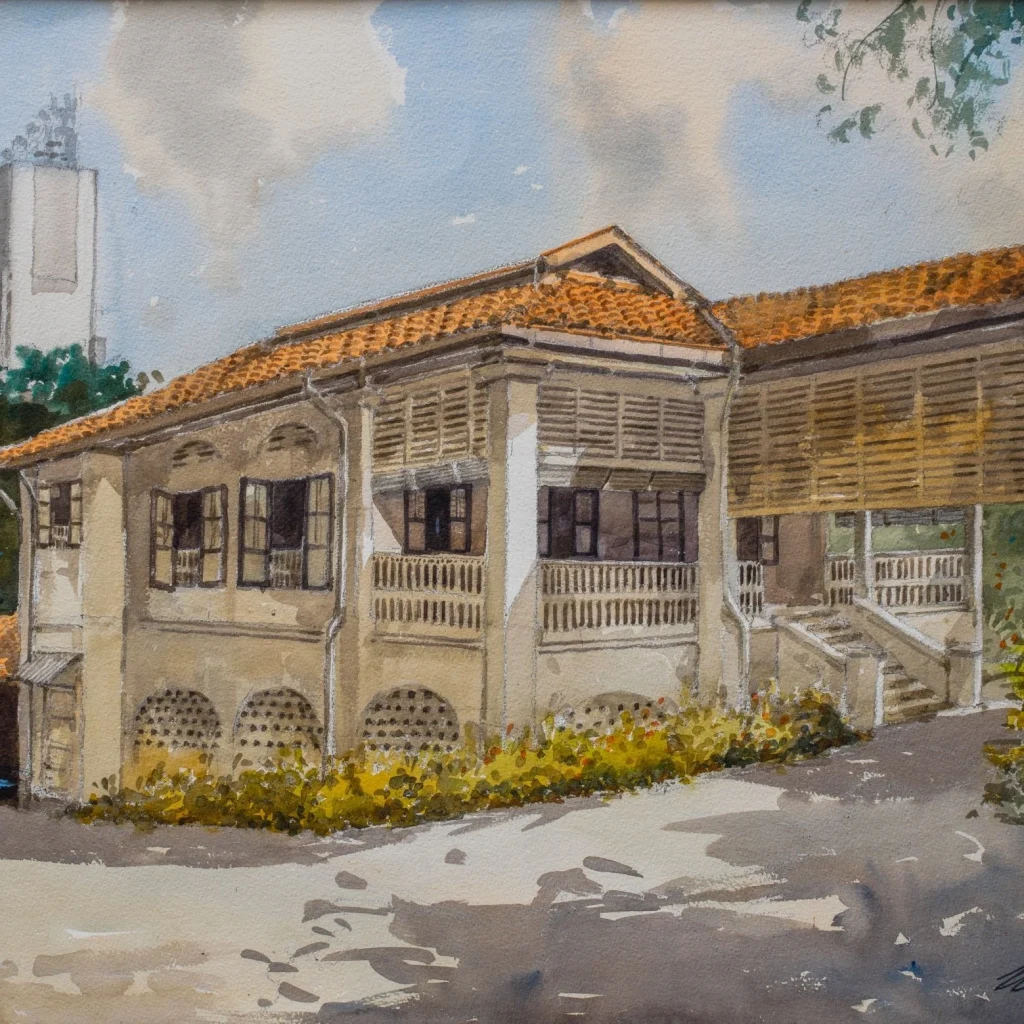
Around 1898, Dutch merchant Hermann Cornelius Verloop commissioned a two-storey bungalow on the plot. Built in the “Early Bungalow” colonial style, the structure featured:
- Timber floors raised on brick piers
- High ceilings for ventilation
- A broad pitched roof
- Open verandahs
- Natural cross-breeze corridors
This was typical architecture for tropical British colonies, designed to keep interiors cool before the age of air-conditioning.
A House Built for Simplicity, Not Grandeur
Despite its proximity to today’s Orchard Road, the house was never designed as an opulent mansion. Instead, it was practical, understated and functional — features that would later reflect the personality of its most famous occupant, Lee Kuan Yew.
A Quiet Home Until History Stepped In
For decades, the bungalow stood quietly with little public attention. It wasn’t until the mid-20th century, when Singapore’s political awakening began, that this simple colonial house would become the backdrop of major decisions that shaped the nation.